
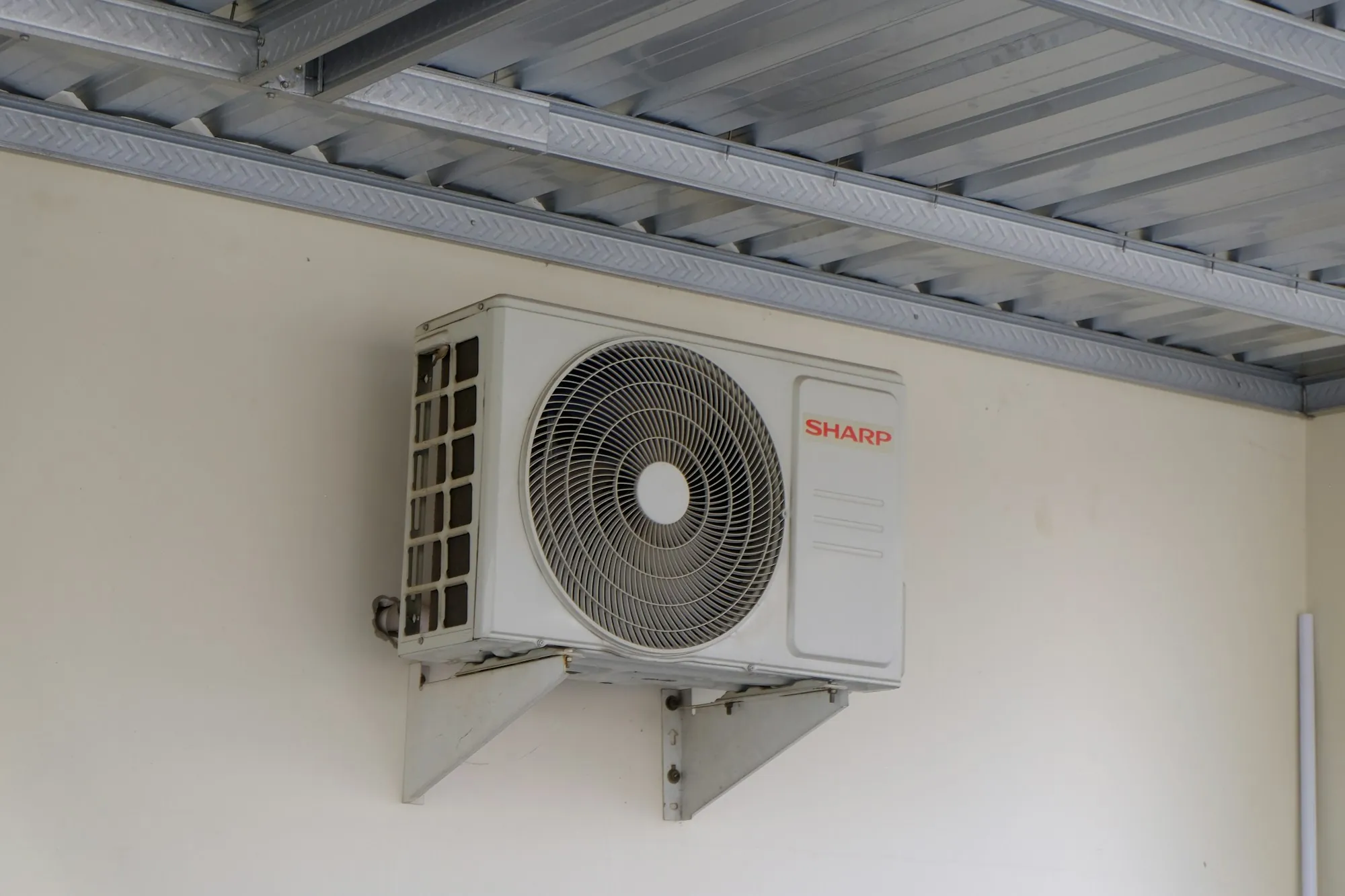
Cooling system replacement
AC Installation and Replacement in Sugar Hill
A clear answer on whether it is time, then a system sized to your home and installed with care.
Replace It Only When It Makes Sense
Buying a new air conditioner is rarely anyone's idea of fun, so step one is making sure you actually need to. Age matters, but it is only one factor. We look at how often the system has needed repairs lately, whether it still keeps the house comfortable, how hard it struggles with humidity and what the next repair would cost compared with the value left in the equipment. Sometimes the answer is a repair and a few more summers. Sometimes it is time. When it is, sizing comes next. A new unit should match the house, not just the label on the old one. Insulation, windows, sun exposure, the number of stories and the size and condition of the ducts all shape what the home needs. Two-story houses around Sugar Hill often have a warm upstairs, and a correctly sized system with good airflow helps more than a bigger one. Then the install: the outdoor unit, a matched indoor coil, the refrigerant line set, the condensate drain, electrical connections and a permit and inspection where the county or city requires one. The old equipment leaves with us. Before we go, the system is started, charged and tested.
What a Replacement Includes
A new system is more than a box on a pad. These are the pieces that make it run the way it should.
Keep-or-replace review
We weigh the unit's years, its recent breakdowns, how well it keeps rooms comfortable and its running efficiency, then hand you the decision.
Load-based sizing
Equipment picked for the house and its ductwork, not cloned from whatever was there.
Efficiency explained
What SEER2 means for your house, and why the quality of the install counts just as much as the rating.
Matched indoor coil
Indoor coil chosen to pair correctly with the new condenser, so the system performs to spec.
Line set and drain
Copper lines and the condensate drain inspected, then reused, rerouted or replaced as the job demands.
Electrical work
Disconnect, breaker and wiring sized for what the new condenser draws.
Permit and inspection
Handled whenever the county or city calls for one, inspection included.
Startup and haul-away
Charge verified, temperatures and pressures measured, and the old unit removed.
From First Call to Cool Air
Look at what you have
A technician looks over the existing equipment, the duct runs and the home itself, and asks which rooms have been uncomfortable. If a repair is the smarter move, you will hear it.
Choose the right equipment
We go over sizing, efficiency options and the full installed price. You pick the system that fits your home and budget, with no pressure to move up.
Install, test and clean up
The old unit comes out, the new one goes in with its coil, lines, drain and wiring, and the system is started and tested. Then the work area is cleaned and the old equipment hauled away.
Why People Let Us Put In Their New System
Straight advice
If your system has life left, we say so. A replacement should be your decision, made with real facts.
Sized for the house
Right-sized equipment runs steadier, pulls more humidity out of the air and handles the long cooling season better.
Clean, careful install
Floors covered, connections done neatly, permit handled and the old unit gone when we leave.
- Candid repair or replace
- Sized from the load
- Permit pulled if needed
- Old equipment removed
Wondering if Your AC Has One More Summer?
Give us its age and how it has been behaving. We can compare a repair with a replacement together before a dollar is spent.